Cultural Differences in Marketing Worldwide
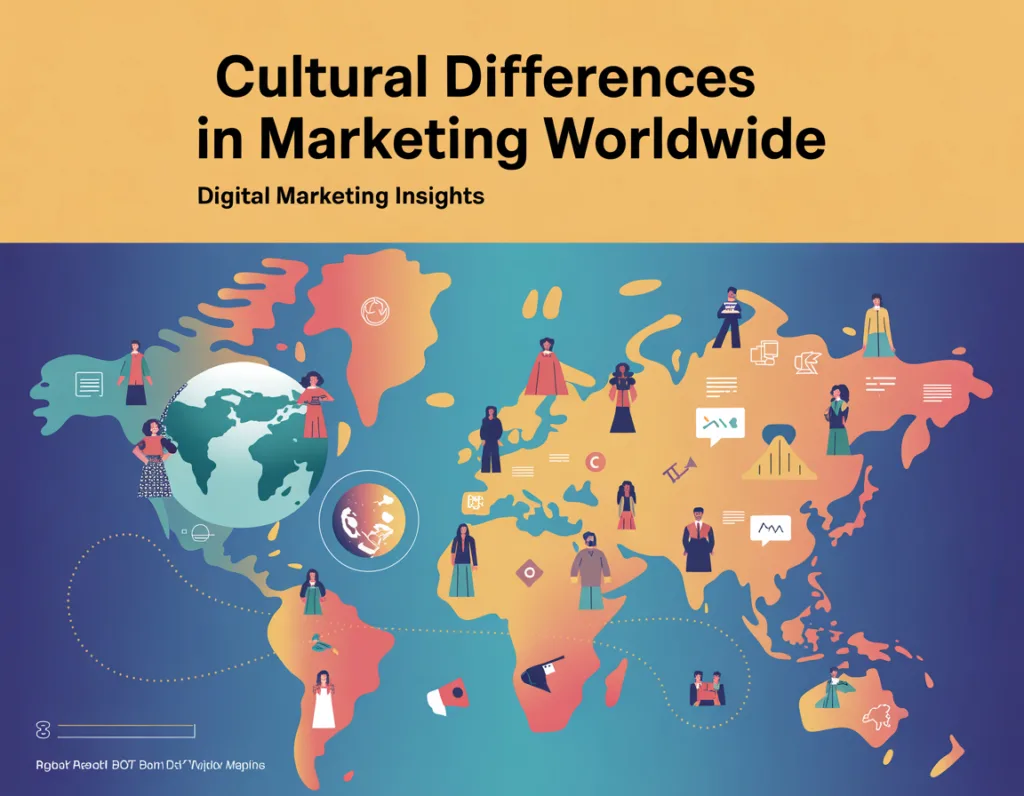
Introduction: One Message, Many Meanings
When Maya launched her eco-friendly skincare brand from India, she never imagined her “authentic” marketing campaign would confuse her new audience in Japan. The phrase “Made with Love and Roots” resonated deeply in India and the US. But in Japan, it was interpreted as vague and overly emotional. Sales didn’t just stall—they backfired. That day, Maya learned a hard truth:
what inspires in one culture may confuse in another.
This blog explores how cultural marketing differences for global businesses can make or break your message. If you’re a solopreneur, creator, or marketer working across borders, understanding cultural sensitivity is not a “nice to have”—it’s essential.
What Are Cultural Marketing Differences—and Why Should You Care?
Culture shapes how we see the world. It influences what we value, how we express emotions, and what we expect from others. Marketing, at its core, is communication. So when you ignore culture, you risk sending the right message in the wrong language—even when the words are technically correct.
Cultural marketing differences for global businesses affect:
Tone and messaging: What sounds confident in the US may sound arrogant in Germany.
Visuals and color: White symbolizes purity in the West, but mourning in some Asian cultures.
Humor and storytelling: A funny ad in Brazil might offend audiences in the Middle East.
Social norms: In some countries, showing a solo female model may be inspiring. In others, it may be controversial.
If you’re growing a global brand, adapting your message isn’t about “dumbing it down.” It’s about honoring your audience.
Real Stories: When Global Marketing Failed (and Why)
Let’s take a walk through three short stories that illustrate cultural marketing differences for global businesses in action.
1. Pepsi in China
Pepsi’s slogan, “Come Alive with the Pepsi Generation,” was mistranslated into Mandarin as “Pepsi brings your ancestors back from the dead.” It created confusion rather than connection.
2. McDonald’s in India
McDonald’s succeeded because they localized their menu—introducing the McAloo Tikki and avoiding beef entirely. They didn’t just sell burgers. They sold respect.
3. Airbnb in France
Their early campaigns in France were too casual and friendly. It took time for the brand to adjust its tone to match the formality preferred by French consumers.
These are not just fun facts—they’re reminders that the world isn’t one-size-fits-all.
If you want to master cultural marketing differences for global businesses, you have to listen before you launch.
Key Elements Where Culture Impacts Marketing
1. Tone and Language
Words carry emotional weight. In the US, “disrupt” is exciting. In Japan, it may feel reckless. Always ask: Does this tone match the cultural context?
2. Design and Aesthetics
Bright red may signify love in one country and danger in another. Some cultures prefer minimalism; others love boldness. Visuals aren’t universal—they’re deeply cultural.
3. Value Propositions
In the West, marketing often emphasizes individual success. But in many Asian cultures, community and harmony matter more. Your value promise must match their worldview.
4. Call to Action (CTA)
An aggressive “Buy Now!” works in some regions. In others, a softer “Explore More” performs better.
To navigate cultural marketing differences for global businesses, even your CTA must speak their emotional language.
Adapting Your Brand for Different Markets (Without Losing Identity)
This is where it gets emotional for many founders. You built your brand with your voice, your tone, your soul. Adapting it feels like giving it away. But it’s not about changing who you are. It’s about changing how you’re heard.
Here’s how to adapt wisely:
Keep your core message consistent, but adjust the surface layer.
Use local influencers who understand both your product and their culture.
Test content with small audiences before large launches.
Use surveys or live calls to understand emotional triggers in each market.
Remember: people everywhere value authenticity. But authenticity looks different in different places. That’s the key to mastering cultural marketing differences for global businesses.
Emotional Connection > Cultural Translation
Translation is not enough. If you’re marketing a wellness course, for example, talking about “self-care” will hit differently in the US versus in India, where the idea of self-prioritization is still evolving.
Instead of translating words, translate feelings.
If you’re selling freedom, ask: What does freedom mean in this culture?
If you’re promising confidence, ask: What builds confidence here?
The deeper you go into their emotional blueprint, the stronger your message will land.
This is the soul of understanding cultural marketing differences for global businesses. It’s not about avoiding mistakes—it’s about creating meaning.
Tools and Tips to Manage Cross-Cultural Campaigns
Here are a few tools to help you navigate international waters with confidence:
Weglot: For website translation with cultural sensitivity options
Deepl: A more nuanced translator than Google Translate
Google Trends (by region): To spot culturally relevant keywords
Local freelancers: Hire cultural consultants or copywriters in each country
A/B testing by region: Measure what resonates where
While tools can guide, empathy and curiosity are your best assets.
Final Thoughts: A Global Message Starts with Human Insight
Behind every screen is a human. With different beliefs, hopes, humor, and fears.
When you market globally, you’re not just expanding business. You’re expanding your ability to care across cultures.
So if you’re building a business that dreams beyond borders, embrace the challenge of cultural marketing. Don’t fear missteps—fear missing the chance to connect.
Because in the end, cultural marketing differences for global businesses aren’t obstacles. They are opportunities—to go deeper, grow smarter, and market with heart.
