
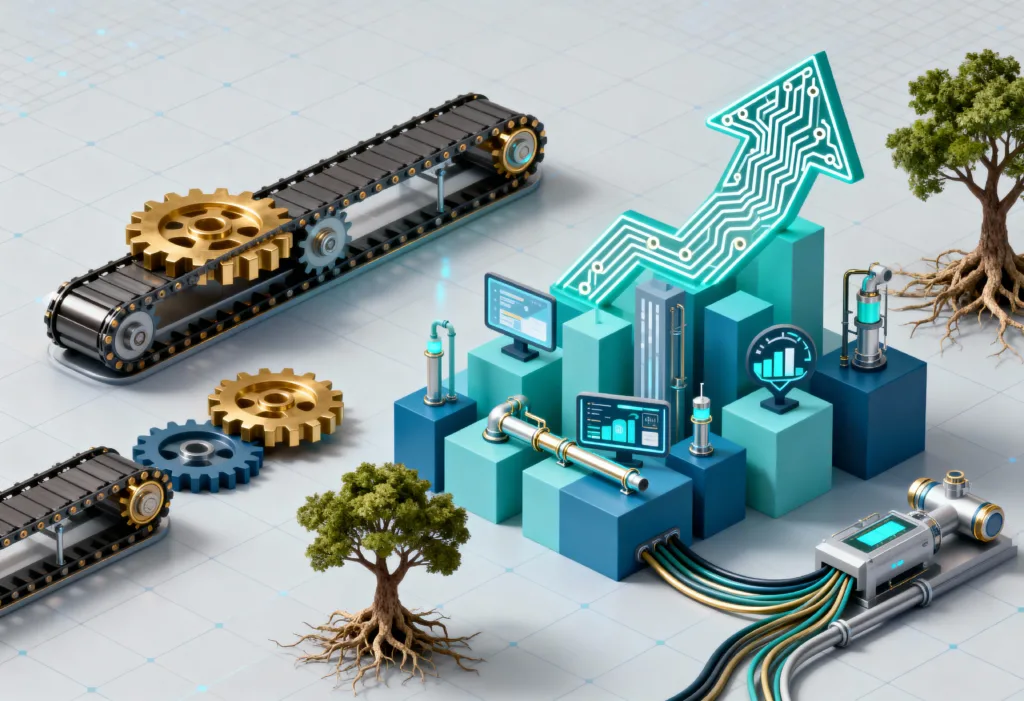
Business Systems for Long-Term Success: The Foundation of Sustainable Growth
When I started my entrepreneurial journey, I believed success came from hustle, creativity, and drive. But over time, I realized something powerful—none of that matters in the long run if you don’t build systems. The real secret behind lasting success isn’t more effort. It’s smart, repeatable, and scalable operations. That’s where business systems for long-term success become your best asset.
Let me take you through how building the right systems transformed my business from chaotic survival mode to sustainable, scalable freedom.
Why Systems Matter More Than Hustle
We all begin with passion and grit. Early on, that energy is enough. However, as your client base grows or your blog traffic explodes, managing everything on the fly becomes impossible. I was replying to every email, handling invoices manually, and doing all the marketing solo. Eventually, I burned out.
That’s when I realized: systems don’t replace creativity — they protect it.
By implementing business systems for long-term success, I created breathing space. My CRM tracked leads. My email funnels ran automatically. My virtual assistant followed a checklist for onboarding new clients. Suddenly, I had time again. Not just to rest, but to innovate.
Systems turn chaos into clarity. They also let you scale without sacrificing your sanity.
Start with Documented Processes
One of the first steps toward building business systems for long-term success is documenting everything. That might sound dull, but it’s incredibly empowering. When I wrote out my process for publishing blog posts — from keyword research to promotion — I realized how many small, repeated decisions I was making every week.
Documenting a task gives it structure. It turns a fuzzy routine into a system anyone can follow. Start with your most frequent tasks:
Content creation
Social media scheduling
Client onboarding
Invoicing and payments
Write down each step. You can even record your screen while doing the task and turn it into a training video for your future team. That’s how you make your business teachable and scalable.
Automate the Repetitive, Personalize the Strategic
Once your processes are documented, the next step is automation. But don’t automate everything. The magic lies in automating what’s repetitive, while still staying human where it matters.
For example, I use ConvertKit to send my blog subscribers a welcome email series. It runs in the background, introducing my brand and offering value. But when a reader replies, I answer personally. That’s a blend of automation and authenticity.
Tools like Zapier, ClickUp, and Google Workspace can help you build business systems for long-term success without hiring a big team. With the right automations in place, your systems run 24/7, even when you’re offline.
Build a Knowledge Base for Your Team
Even if you’re a solopreneur now, building documentation as if you already have a team will pay off later. When I hired my first freelancer, I didn’t have to explain tasks from scratch. I simply gave them access to my SOPs and video tutorials.
A knowledge base isn’t just for employees. It helps you, too. On days when you’re tired or overwhelmed, you can fall back on your own systems. You don’t have to rethink how to do something — the blueprint is already there.
This is what separates hobbyists from pros. The pros design systems that outlast their mood, their energy, and even their presence.
Use Project Management to Stay Organized
Every successful entrepreneur I know relies on a project management tool. Whether it’s Trello, Notion, Asana, or ClickUp — these tools act like a digital HQ. I use ClickUp to manage all my content planning, affiliate campaigns, and client work.
Each system has tasks, subtasks, deadlines, and comments. This structure keeps everything on track. I never miss a publishing date or forget a collaboration detail.
And since everything is stored in one place, it reduces stress. That’s the ultimate benefit of business systems for long-term success — peace of mind.
Measure, Improve, Repeat
A system is only valuable if it works. So test it. Use analytics, feedback, and reflection. I audit my business systems every quarter. What worked? What broke? What took too long?
For example, I once automated a client follow-up sequence that had a 15% reply rate. After tweaking the subject lines and email order, replies jumped to 35%. Systems are not static. They evolve with your goals and audience.
Remember, building business systems for long-term success is a dynamic journey. What serves you at $5K/month may break at $50K/month. Keep iterating.
Human Touch: The Story Behind the System
Let me share a quick story. Two years ago, I lost my voice due to burnout. I couldn’t take client calls, record videos, or do webinars. Yet my business still ran — because of the systems I had in place.
My content calendar was automated. My team knew exactly what to do. My email funnel kept nurturing leads. Even in silence, my business stayed alive.
That’s when I truly appreciated the emotional strength of systems. They don’t just support operations. They support you — the founder, the dreamer, the one building this from scratch.
Final Thoughts: Systems Set You Free
If you want to grow a sustainable brand that supports your lifestyle, not drains it, focus on building systems. It’s not about working harder. It’s about working smarter, with intention.
Design processes once so you don’t have to think about them every time. Automate your repetitive work so you can spend more time creating. Organize your projects so your vision stays clear, even during chaos.
Most importantly, never forget that business systems for long-term success aren’t just technical tools. They’re freedom engines. They allow you to rest, recover, and still thrive.
If you’ve been flying by the seat of your pants — now’s the time to slow down and systemize. Because the businesses that last aren’t the loudest. They’re the ones built on invisible, powerful systems behind the scenes.